

DDS and TSN Integration Technology and Testing Solution
The Impact of Software-Defined Vehicles on Network Communication Technology
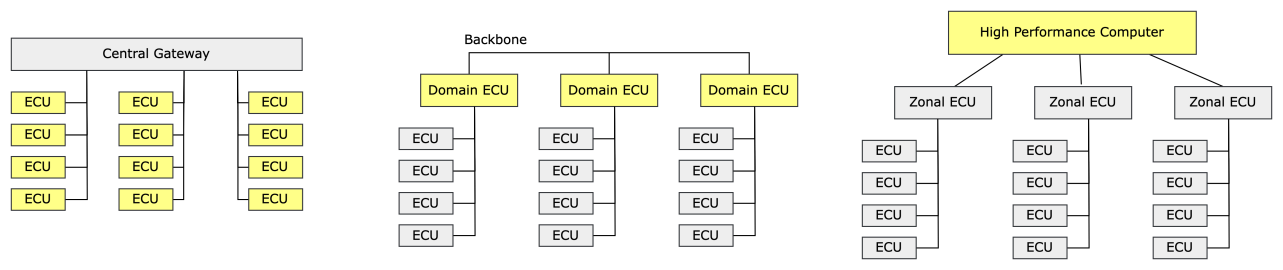
Figure 1: Evolution Trends of Automotive Electronic and Electrical Architecture
Over the past decade, the architecture of automotive electronics and electrical systems has rapidly evolved driven by the ever-increasing demands of applications. From intelligent networking, autonomous driving, and smart cockpit to software-defined vehicles and OTA upgrades, new applications continue to emerge, driving corresponding changes in electronic and electrical architecture, which serve as the foundation for realizing these innovations.
Rewinding to more than ten years ago, the typical architecture was a topology with a central gateway and several CAN nodes. Later, with the introduction of domain controllers, backbone networks, and centralized architectures, regional controllers and high-performance computing units began to emerge.
Amid this wave of change, one notable trend is the "function shift." In the early distributed architecture, vehicle functions were scattered across more than a dozen ECUs. However, this scattered layout could not adapt well to the demands of rapid iteration and frequent upgrades. Excessive decentralization intensified the coupling between ECUs, making any local changes likely to trigger a chain reaction at the vehicle level, significantly reducing iteration efficiency.
To address this issue, the concept of domain controllers was introduced later, integrating the functions of scattered ECUs to achieve centralized management and efficient upgrades. Furthermore, functions continued to shift upwards to a central high-performance computing platform, fundamentally solving the inefficiency of decentralized layouts and strongly supporting the need for rapid software iteration and upgrades.
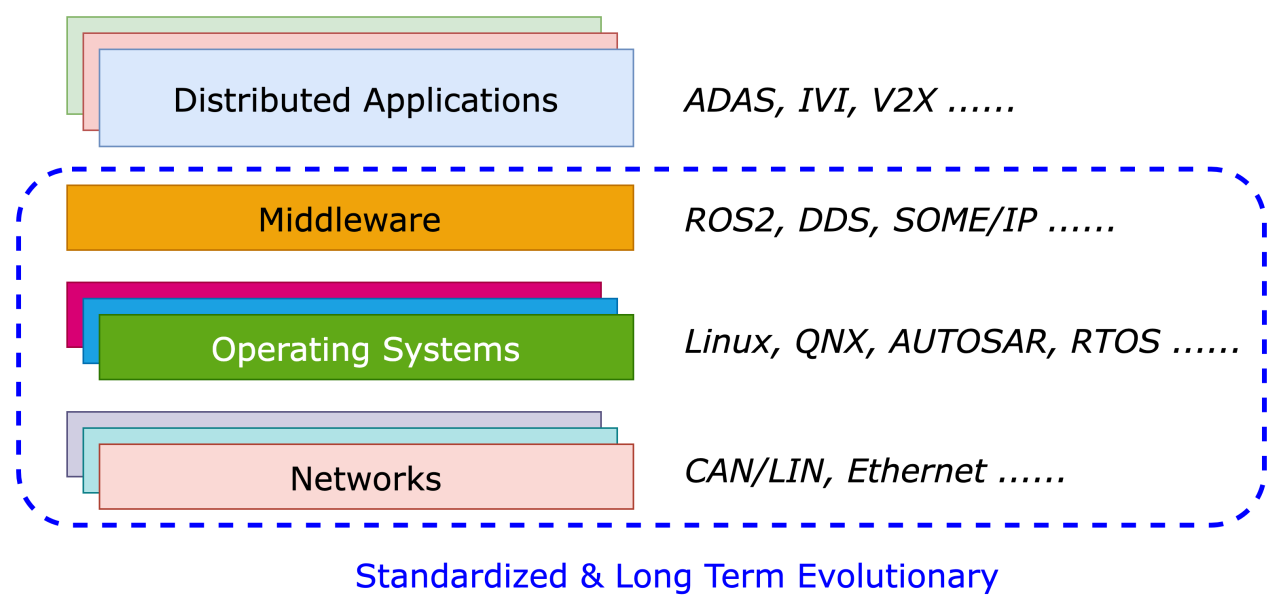
Figure 2: Standardized Basic Software and Hardware Platform
The essence of the function shift is the upward movement of application software, while the underlying basic software and hardware platform can be standardized for long-term maintenance. In simple terms, this can be referred to as "soft-hard separation," or "the separation of application software from the basic software/hardware platform."
In this trend of rapid software iteration and upgrades, application software imposes new demands on the basic software and hardware platform.
Firstly, there is a need for dynamic flexibility. To achieve rapid development of new models, it is necessary to endow the basic platform with a certain degree of dynamic flexibility, which is one reason for the rapid development of SOA architecture over the past decade. A dynamic platform, like building with LEGO bricks, allows OEMs to quickly add new functions to the system.
Secondly, more importantly, there is the need for real-time performance. This is the fundamental difference between automobiles and consumer electronics. As a means of transportation, the primary task of a car is to ensure the safety of the driver, passengers, and pedestrians. To achieve this, the basic software and hardware must have sufficient real-time response capability, reliability, and determinism to effectively support critical applications.
So, how does DDS meet these demands?
Key Features of DDS
From the perspective of communication models, many people habitually compare DDS with SOME/IP, but in fact, they follow completely different communication models and have different application scenarios.
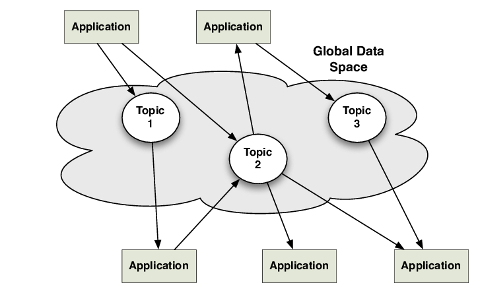
Figure 3: DDS Communication Model
DDS is a typical publish-subscribe (Pub-Sub) communication model, more like a signal-oriented communication method. The well-known CAN bus is also a publish-subscribe model, but the DDS version is more flexible.
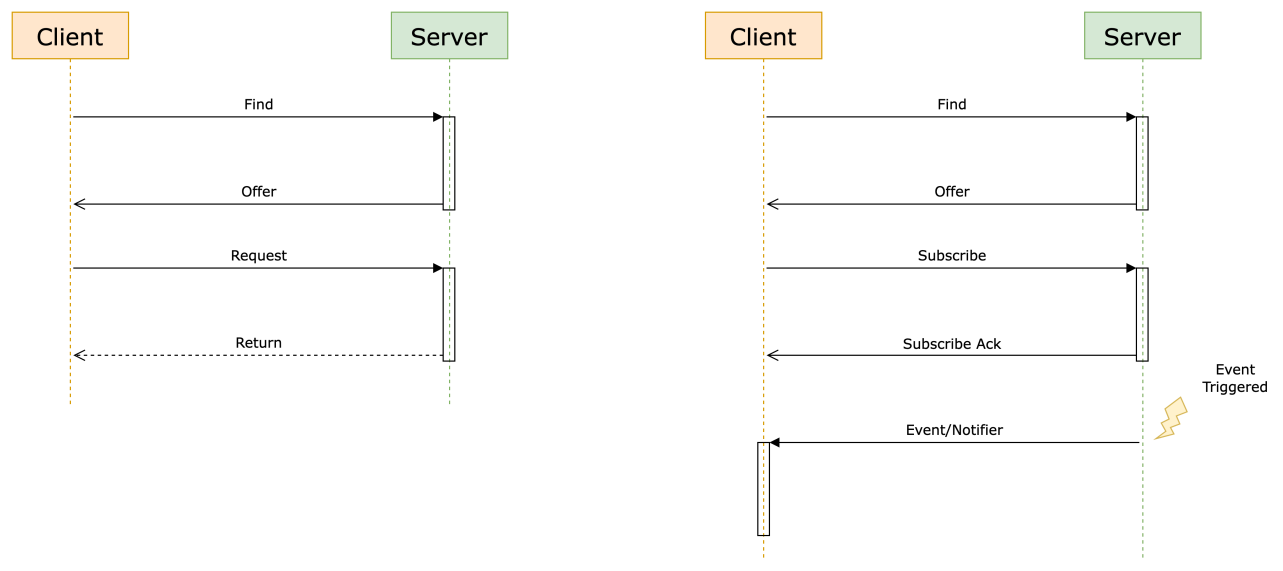
Figure 4: SOME/IP Communication Model
The client-server model, also known as the SOA model, is a further abstraction based on the publish-subscribe model.
In the publish-subscribe model, publishers and subscribers interact with independent messages. But in the SOA model, the data exchanged between clients and servers is endowed with new semantics, such as request messages, response messages, event messages, etc.
On the surface, the SOA model seems more advanced, but in fact, there is no inherent superiority or inferiority between the two models, just different applicable scenarios.
The publish-subscribe model is more suitable for scenarios with a large amount of simple real-time data distribution, such as sensor data and vehicle status data distribution. Additionally, the publisher and subscriber are relatively decoupled, and neither party needs to be concerned with the location or status of the other. The advantages of DDS in this aspect will be explained in detail later.
The client-server model, on the other hand, has more restrictions. Firstly, it requires a clear data flow, with a central node and other nodes (clients) only communicating with this node, with no direct interaction between client nodes. Secondly, the communication model is request-response, such as database queries or file services. Moreover, data and computing resources are concentrated on the server.
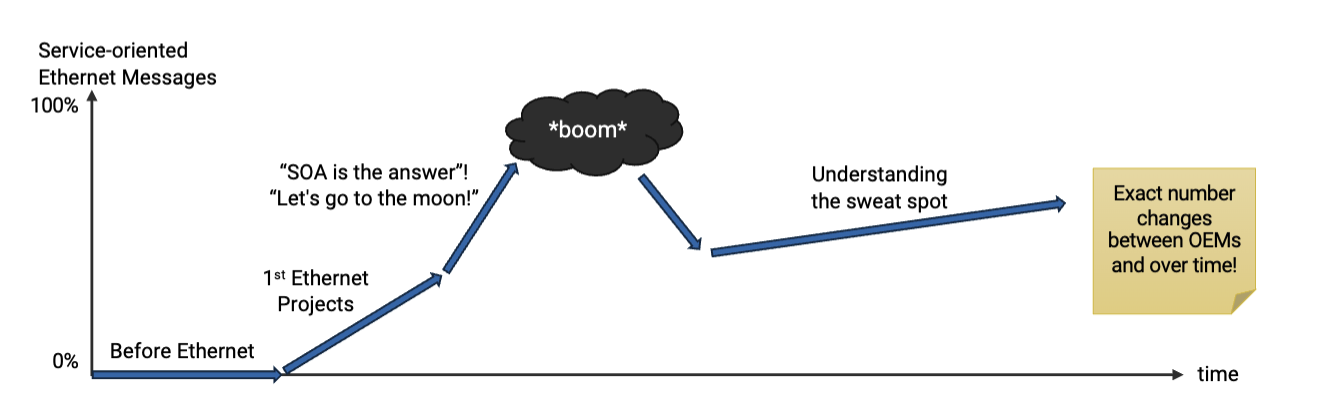
Figure 5: Typical Development Process of SOA (Image Source: AEC 2024 "Is SOME/IP the right solution for the next 10 years of vehicles")
Therefore, the SOA communication model has relatively limited applicable scenarios. If the data flow does not conform to this model, using SOA will actually increase the design and development burden. In fact, some OEMs in recent years have pursued vehicle-wide SOA after the first generation of automotive Ethernet was mass-produced, but the development efficiency did not significantly improve, and costs increased considerably.
DDS's Data-Centric Nature
An important characteristic of DDS is its "data-centric" nature.
In the past, when introducing SOA, people often mentioned its decoupling feature. However, decoupling is not exclusive to SOA; DDS can also achieve decoupling.
Unlike the complex concepts of services, requests, and responses in SOA, there is only one core element in the DDS world: "data." Applications can freely send and receive data like accessing a database, without being concerned about the data source or destination. Publishers just "throw" data to DDS without worrying about the receiver's situation; subscribers directly "take" the required data from DDS without asking about the data publisher. This "full decoupling" model even surpasses SOA.
Someone might ask if there is also a central node in DDS similar to the SOA architecture. Logically, there is indeed a virtual "global data space." However, this is not the same as the "server" concept in SOA; they refer to different levels. The "service" in DDS refers only to data distribution services, a fundamental function responsible for data discovery, storage, and publishing, without involving business logic. The "service" in SOA refers to application-layer business services, such as air conditioning and music. These are two distinct concepts. Additionally, although DDS logically has a "global data space," it is still physically distributed, without a real server node, hence no risk of single points of failure and performance bottlenecks.
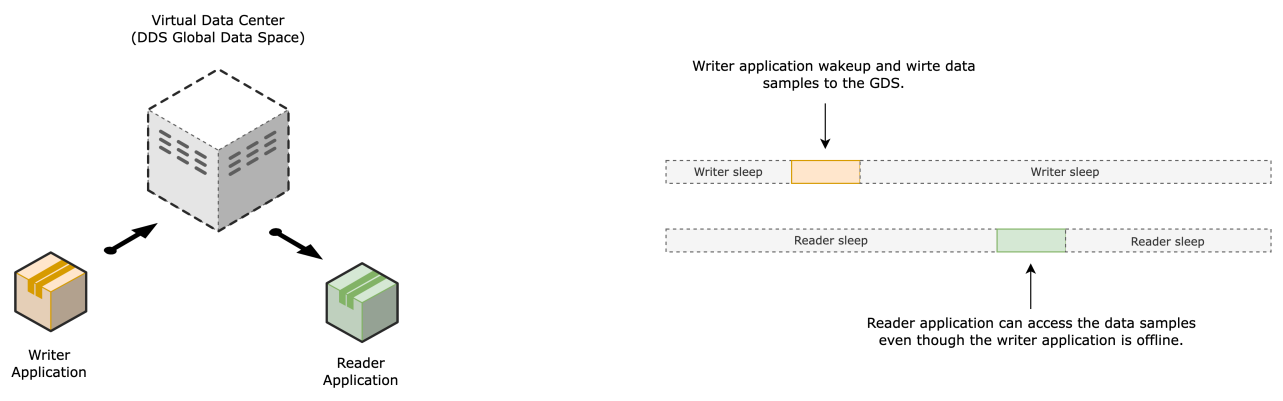
Figure 6: The Concept of Data-Centricity and Decoupling in DDS
The above figure can well explain the decoupling relationship between publishers and subscribers in DDS. Initially, the entire system is idle, and the publisher "wakes up" first to start publishing data. At this time, there are no receivers in the network, but it doesn't matter; the publisher just "throws" the data to DDS and then goes back to sleep. When subscribers come online and need the data, they directly "take" the required data from DDS without caring about the data source. This "full decoupling" model relies on DDS's built-in QoS (Quality of Service), making DDS more decoupled than SOA. Because in SOA's request-response communication, both client and server must be online simultaneously, while DDS does not necessarily require this.
Platform Independence of DDS
Another major feature of DDS is platform independence. Here, "platform" generally refers to underlying dependencies such as operating systems and transport protocols. DDS achieves platform independence by not relying on complex platform-specific features but implementing these features itself and then providing services through standardized interfaces.
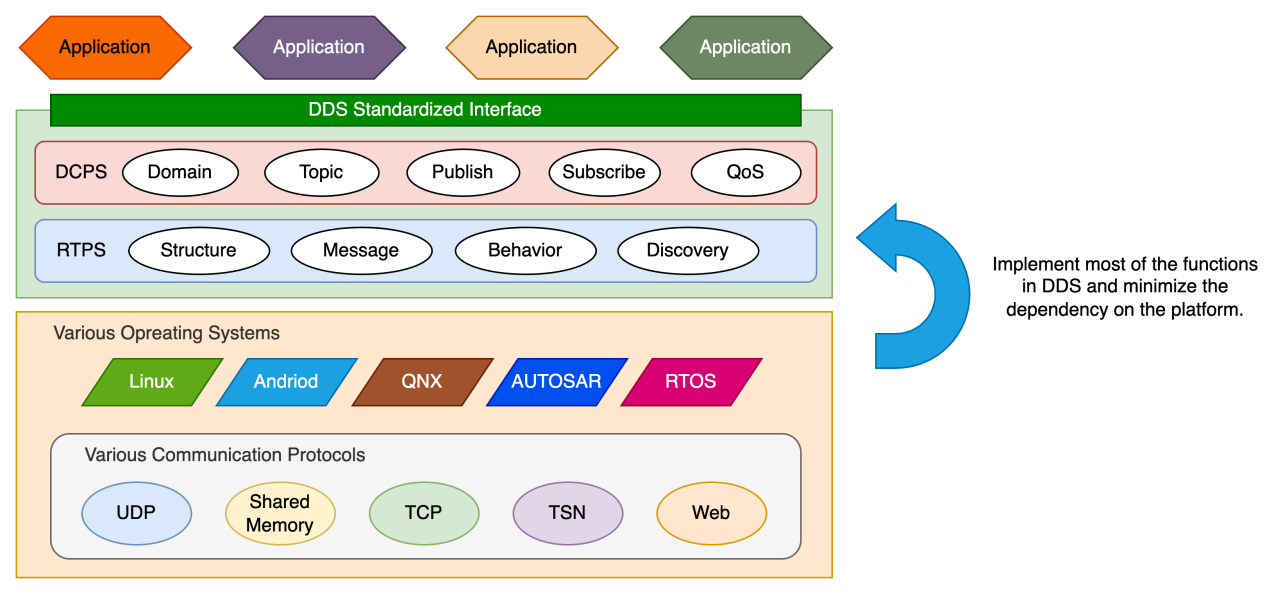
Figure 7: Platform Independence of DDS
Therefore, DDS has excellent portability; as long as there is basic UDP communication support, DDS can run. In fact, DDS and UDP are considered the best partners because UDP is the simplest, with almost no QoS guarantees. DDS prefers a simple underlying protocol because it has already implemented and opened up complex features like QoS to applications.
However, this "self-sufficiency" approach of DDS also brings an impression to many people that DDS appears too "heavy," too complex, and resource-intensive. I believe this is a trade-off: while DDS offers rich features, standardized interfaces, and platform independence, the cost is higher resource consumption and software complexity. This is a balance, with no absolute right or wrong.
Implementing SOA Architecture Based on DDS
SOA plays a crucial role in modern automotive distributed systems. SOA provides a flexible and scalable method to design and implement complex distributed systems, enabling different services to be developed, deployed, and maintained independently while working together seamlessly.
By implementing SOA on top of DDS, we seem to combine the data-centric features of DDS and the service-centric features of SOA, leveraging DDS's suitability for large-scale real-time data distribution while benefiting from SOA's flexibility, scalability, and ease of management.
Previously mentioned, DDS is not inherently an SOA architecture and differs from technologies like SOME/IP. However, through certain means, DDS can indeed support SOA-like communication models.
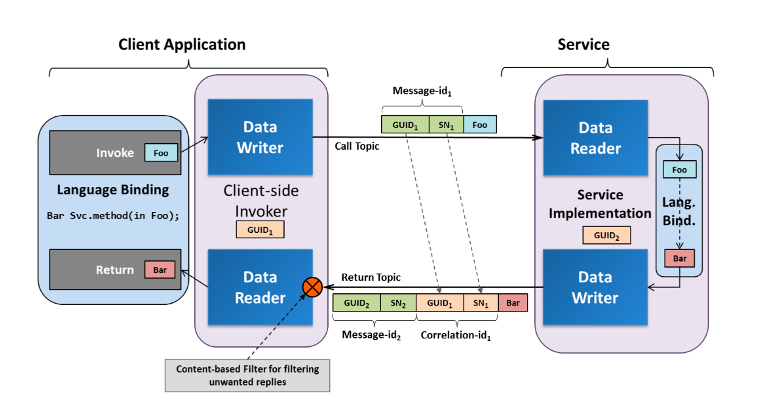
Figure 8: DDS-RPC (Image from https://www.omg.org/spec/DDS-RPC)
OMG has released the DDS-RPC standard, providing a reference implementation. The approach is to encapsulate a layer on the DDS Topic, adding a header containing the client's GUID (Globally Unique Identifier) and sequence number for request messages, enabling the server to identify the source and track the sequence. The server responds by copying the server ID, sequence number, and original request header into the response message header, allowing the client to correspond to the previous request.
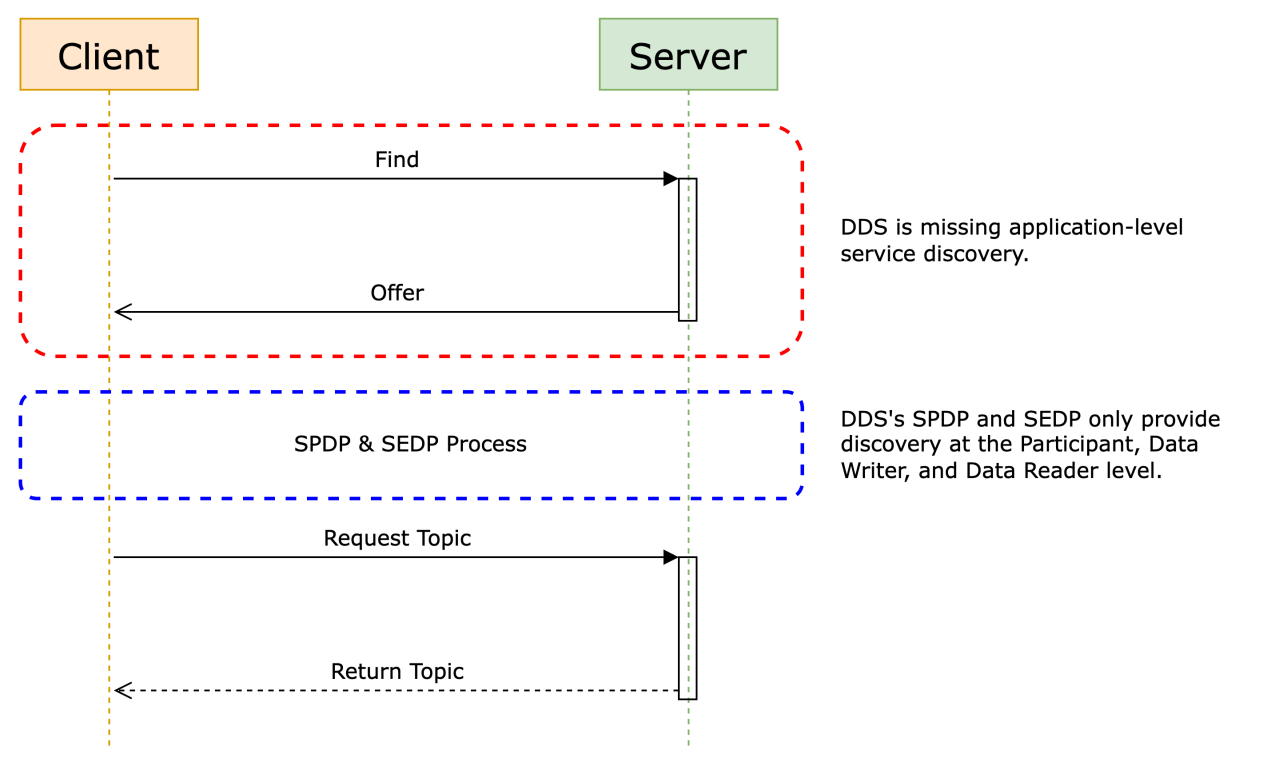
Figure 9: Problems with Implementing SOA Based on DDS
Although DDS can roughly simulate SOA, certain features are still missing, such as a genuine service discovery function. While DDS has discovery mechanisms (SPDP/SEDP), they only provide endpoint-level discovery, not application-level business service discovery. However, DDS itself offers good extensibility, allowing users of the DDS-RPC framework to develop the required service discovery functions.
Another limitation is that once DDS is used for request-response mode RPC communication, many QoS features will no longer apply.
Overall, when considering DDS as an SOA communication framework or a replacement for SOME/IP, we need to comprehensively weigh its advantages and challenges. The combination of DDS and SOA can undoubtedly bring many benefits, such as the integration of high-performance real-time data distribution with a flexible service architecture. However, this integration also comes with significant costs and potential drawbacks:
lTechnically, we may need to solve a series of additional technical issues ourselves.
lFunctionally, this usage may limit some of DDS's original unique advantages.
lResource-wise, the higher system resource consumption of DDS may become a noticeable burden.
Therefore, before deciding on a technical route, we must carefully evaluate whether the benefits justify the corresponding costs and potential risks.
Integration of DDS and TSN
Real-Time Performance is a Systemic Issue
Firstly, it needs to be clear that real-time performance is a systemic challenge because automotive electronic and electrical systems themselves are complex. Especially with the introduction of automotive Ethernet, complex operating systems like Linux, Android, and QNX have begun to be widely used, making it even more challenging to ensure overall real-time performance.
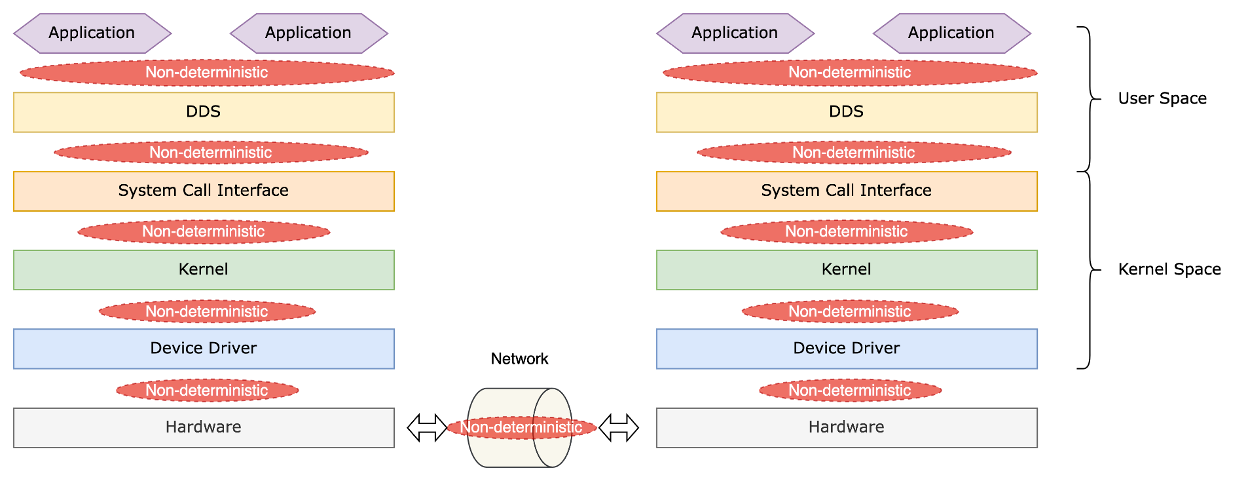
Figure 10: Real-Time Issues in Distributed Systems
The root cause is that there are certain uncertainties at every level, from application programs, middleware, operating systems to hardware and networks, and these uncertainties accumulate through the system. The closer to the application layer, the higher the uncertainty; the closer to the hardware layer, the lower the uncertainty. Ultimately, the accumulation of uncertainties at each level leads to a decrease in the overall system's real-time performance.
Therefore, solving real-time performance issues in distributed systems is a complex systemic project, and we cannot hope that a single technology can solve it comprehensively. Relying solely on middleware, operating systems, or network technologies is far from enough. It requires a comprehensive approach from the system level, through architecture, platform, middleware, operating system, and other multidimensional coordination, to meet strict real-time requirements.
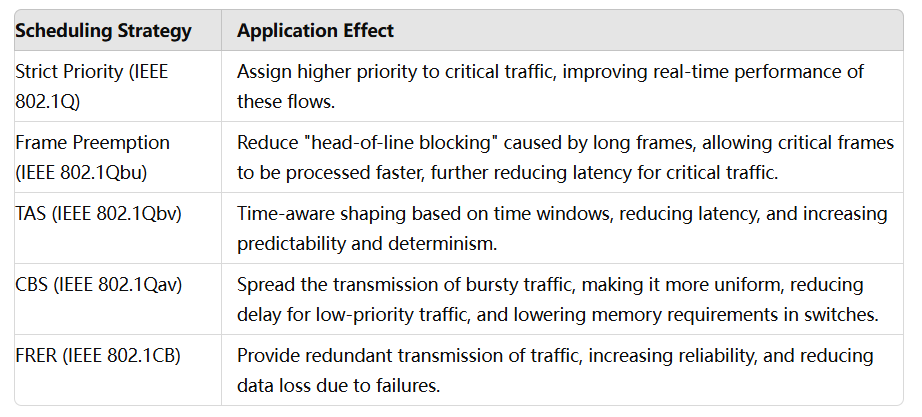
One thing to be clear about is that TSN (Time-Sensitive Networking) can only solve real-time issues at the network level, mainly targeting layer 2 or below. The common TSN protocols in the automotive field are shown in the table below.
Beyond the network level, most uncertainties actually come from within the end nodes, which cannot be solved by TSN. Due to the complexity within the terminal, there is no standardized simple solution to fully address internal real-time issues.
For DDS, we can take the following measures to improve real-time performance and determinism:
lSolidifying memory allocation: reducing unpredictable dynamic memory allocation.
lSolidifying communication relationships: lowering the dynamic changes in communication relationships under normal usage scenarios, reducing dynamic entry and exit of nodes.
lSolidifying interaction processes: reducing additional data exchanges generated by DDS protocols to maintain data reliability.
lLimiting data length: avoiding single send/receive times that exceed expectations.
In summary, we can limit DDS's dynamic features to a certain extent in exchange for better predictability and real-time performance. This is a trade-off that needs to balance dynamic features and real-time performance based on specific scenario requirements.
Improving Time Control in DDS Through TSN
Earlier, we analyzed the real-time performance issue from a global perspective; now we will delve into some specific points.
DDS relies on two types of clocks:
1.Internal clocks: used for various timing operations within the middleware, such as periodically sending SPDP messages, Heartbeat messages, Deadline control, etc.
2.External clocks: mainly used for timestamping sent messages.
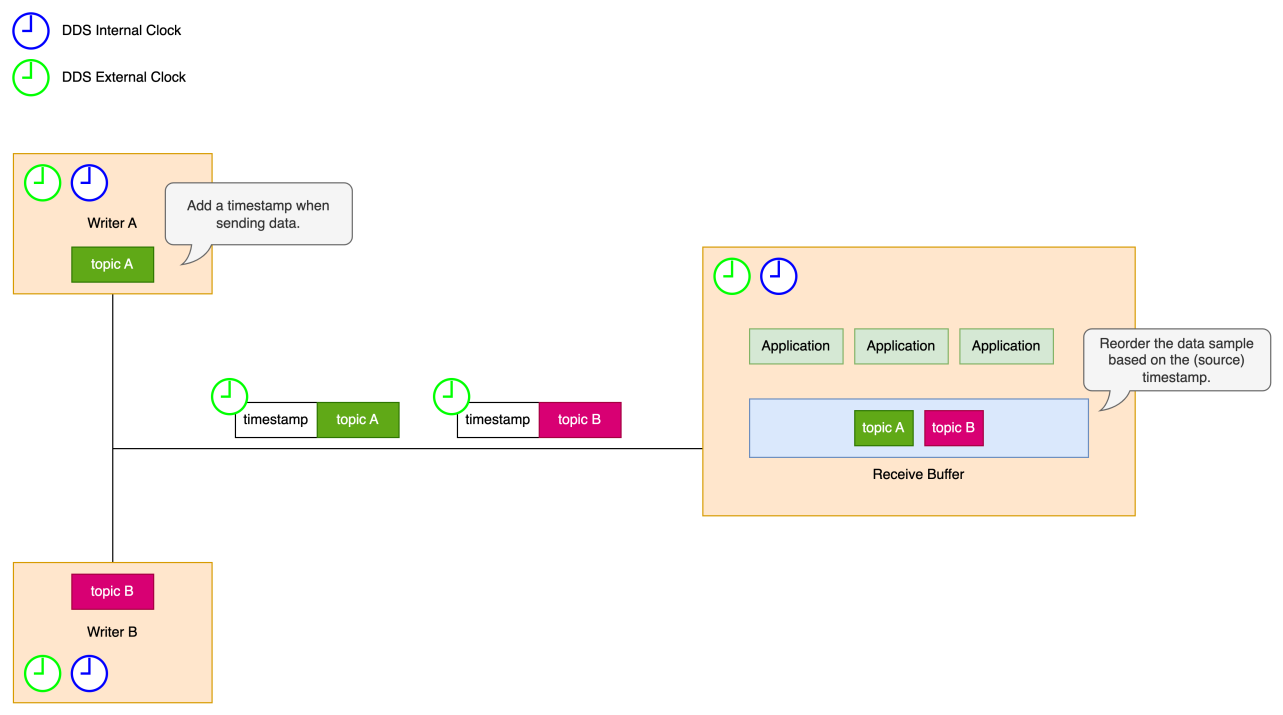
Figure 12: Clock System of DDS
Applying time synchronization (e.g., through IEEE 802.1 AS synchronization) can achieve more precise time control, such as Deadline and other QoS strategies. Without synchronized time, there would be time discrepancies between different nodes. For instance, the sender may send data at a 1-second interval, but the receiver's actual interval might be 1.2 seconds. In this case, if the Deadline QoS is set to 1 second, the receiver might falsely judge it as a timeout.
Therefore, without a clock synchronization system, we can only broaden the Deadline tolerance, such as considering ±500 ms as normal. Through clock synchronization technology, we can achieve more precise Deadline control, such as 1 ms or lower.
Another thing to note is the clock jump issue. When the DDS clock is configured to a synchronized clock source, significant clock jumps may occur during startup or other situations. Clock jumps in either the internal or external clocks can lead to abnormal DDS operations. Hence, clock jumps should be avoided during normal operation.
Clock synchronization is crucial for precise real-time control but also requires avoiding clock jump risks. When deploying a clock synchronization solution, it is essential to balance the two, carefully evaluate, and develop appropriate fault tolerance measures.
Improving Transmission Latency and Priority in DDS Through TSN
Another aspect to focus on is transmission latency and priority, which TSN particularly emphasizes.
DDS has corresponding QoS strategies:
1. LATENCY_BUDGET: allows applications to specify a delay time requirement to the underlying transport layer. However, as an application-layer middleware, DDS itself cannot control the underlying transport and can only provide such "expectations."
2. TRANSPORT_PRIORITY: similarly, the application layer can specify the transport priority of different data flows but cannot directly control the transport layer's priority scheduling.
It is important to note that these latency and priority settings are more of a "suggestion" or "requirement" from the application layer to the underlying transport. Dynamically scheduling network resources, planning paths, setting queues based on these requirements, and having corresponding mechanisms in the underlying transport layer to support them are needed; DDS itself cannot constrain this.
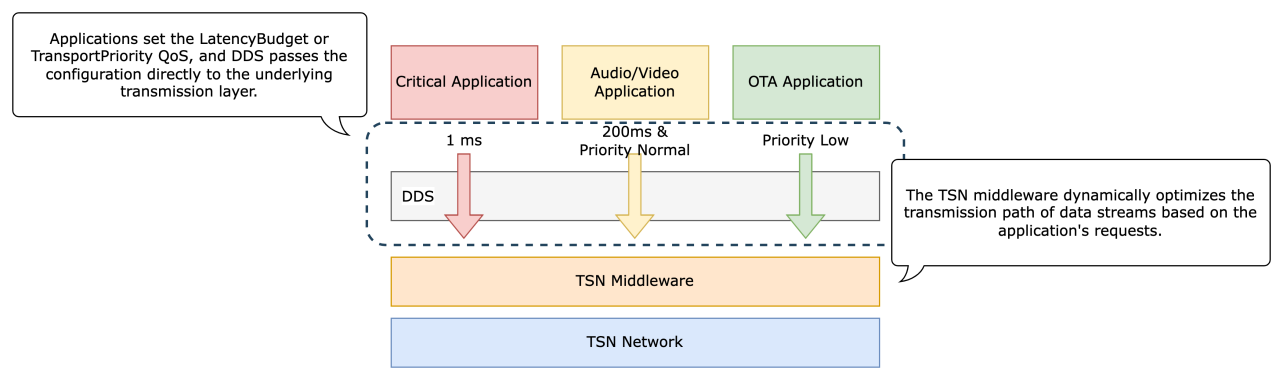
Figure 13: TSN Middleware
One feasible solution is to deploy a TSN middleware layer under DDS, responsible for dynamically handling these latency and priority requirements. However, this mechanism also introduces new uncertainty risks. When resources are limited, some latency and priority requirements will inevitably be unmet, leading to unacceptable real-time performance degradation. Therefore, when deciding whether to adopt this mechanism, we need to carefully evaluate its applicability and rationality in automotive scenarios, balancing benefits and potential risks prudently.
OMG DDS-TSN
Speaking of the integration of DDS and TSN, we must mention the DDS-TSN specification released by OMG, which defines the integration plugin between DDS and TSN. The Beta version of this specification has been released and can be downloaded for free from the OMG website if needed.
The purpose of the DDS-TSN specification is to establish a unified standard so that different vendors can follow the same specification when integrating DDS and TSN, thereby achieving product and toolchain interoperability across the industry, improving development efficiency, and reducing costs.
The DDS-TSN specification constrains two main aspects:
1. Standardizes the deployment and configuration process of DDS-TSN systems.
2. Proposes two specific technical implementation schemes:
lMapping RTPS messages to UDP/IP and then transmitting UDP packets through TSN. This is relatively easy to implement because it only requires replacing traditional Ethernet with TSN Ethernet, with minimal system modifications. However, the drawback is that data needs to go through the UDP/IP protocol stack and then to the TSN network, and real-time performance will be affected by the operating system kernel scheduling.
lMapping RTPS directly to TSN network Ethernet frames, bypassing the influence of the UDP/IP protocol stack. This method can effectively improve real-time performance but requires extensive modifications to DDS, resulting in significant development workload.
Each solution has its pros and cons and should be chosen based on specific scenario real-time performance requirements and development investment.
System-Level Testing of DDS-TSN
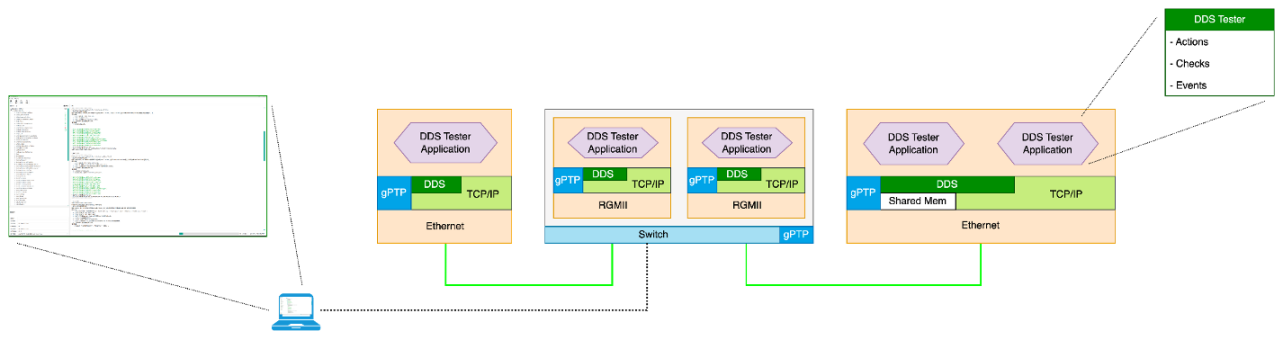
Figure 14: "Application-to-Application" DDS-TSN System-Level Interface Testing Framework
In the middleware testing field, a core issue is how to effectively stimulate or trigger tests on the middleware. This challenge arises from the special nature of middleware interfaces.
Black-box testing typically involves simulating the inputs of the device under test and measuring its outputs. However, middleware interfaces mostly exist in software form, significantly different from traditional ECU hardware-in-the-loop (HIL) testing. The main difficulty in middleware testing lies in the lack of physical external interfaces for direct stimulation or measurement.
To address this challenge, the industry commonly embeds dedicated test applications within the ECU. For example, the Upper Tester or ETS in TC 8 falls into this category. These applications expose middleware software interfaces as standardized service interfaces through the network, allowing external test systems to access the middleware interfaces.
In DDS-TSN system testing, Polelink adopts this approach by embedding test applications within the system. It is important to note that automotive distributed systems are usually highly complex and may include various network node configurations:
lSimple standalone network nodes.
lComplex nodes containing multiple subsystems communicating through onboard switches.
lAdvanced OS nodes supporting multiple processes, with inter-process communication using DDS based on shared memory.
Despite the diverse system structures, Polelink can embed test programs uniformly. This is thanks to the consistency of DDS interfaces, allowing us to avoid focusing too much on the underlying implementation details.
At the test system level, Polelink controls and orchestrates these DDS test programs through proprietary protocols to execute various test cases. This architecture enables true "application-to-application" testing, comprehensively reflecting the behavior of the entire system.
In addition to full-system testing, Polelink also conducts various specialized tests focusing on specific aspects, such as physical layer to physical layer (Phy-to-Phy) tests. However, it should be noted that the results of such local tests may not accurately reflect the time characteristics of the entire system.
Polelink not only provides standard test case sets but also supports users in custom-developing new test cases based on the system's special scenarios. For example, users can design tests simulating real application scenarios such as one-to-many and many-to-one communications.
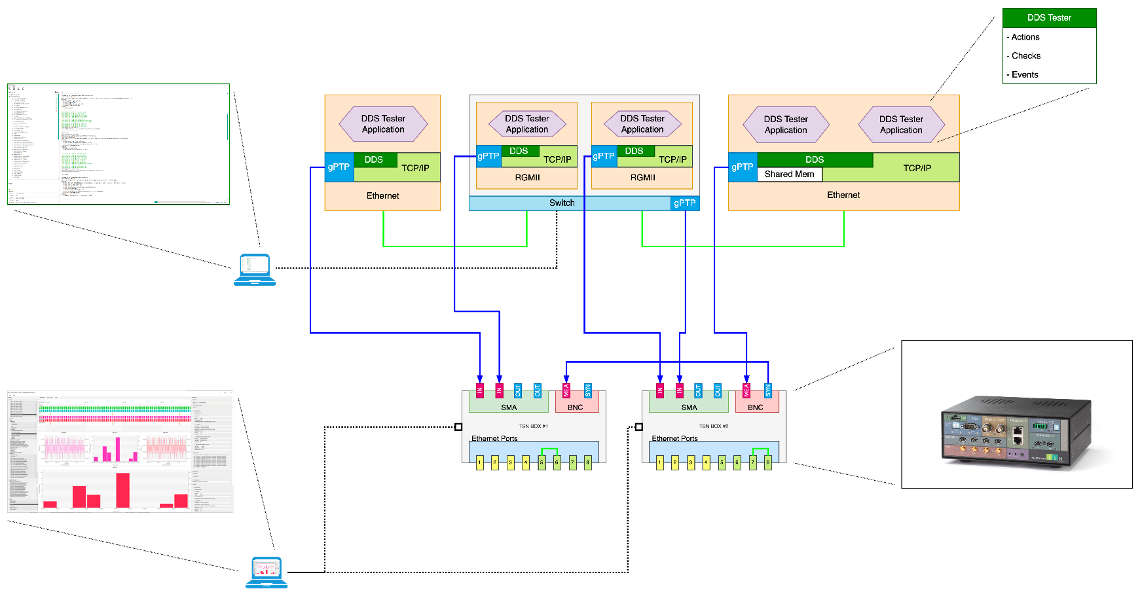
Figure 15: Monitoring the Clock Synchronization Status of DDS-TSN
Moreover, time characteristic tests (such as latency tests) rely on a global synchronized clock to ensure that both the sender and receiver have a common time reference. This is crucial when designing and executing tests.
To monitor the clock synchronization system's operating status in real time, Polelink uses the TSN CoreSolution tool to monitor the 1 PPS (pulse per second) signal of each node in the network in real time. This allows us to accurately determine whether the clock synchronization system is functioning correctly and whether its error meets system requirements.
In terms of hardware, the core tool used is the TSN Box, a hardware system specifically designed for TSN system simulation and analysis. The TSN Box supports a wide range of interfaces, especially the ability to capture 1 PPS signals, making it ideal for clock synchronization monitoring.
Complementing the TSN Box is the TSN Tools upper computer software, which provides powerful data analysis and visualization capabilities. With TSN Tools, we can:
1. Process data collected from the TSN Box in real time.
2. Perform in-depth clock synchronization performance analysis.
3. Provide an intuitive visual interface to quickly identify and resolve synchronization issues.
This tool combination (TSN Box hardware + TSN Tools software) provides a comprehensive TSN system analysis platform, enabling us to monitor clock synchronization and fully evaluate and optimize the performance of the entire TSN network.
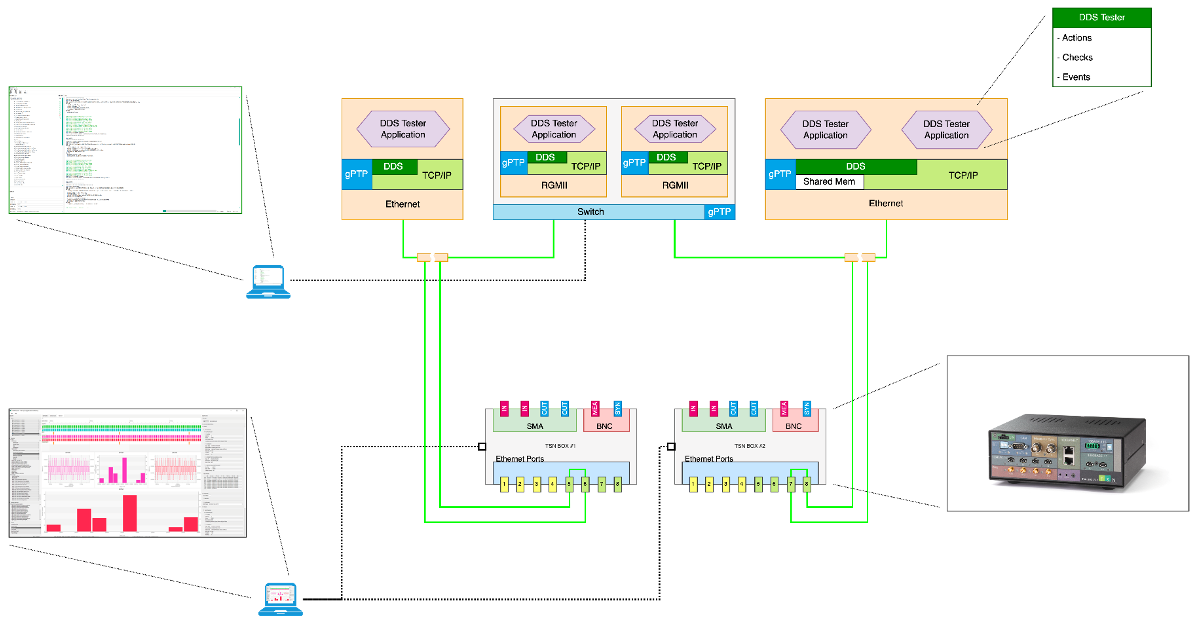
Figure 16: Monitoring the Format and Behavior of DDS-TSN Network Messages
In addition to clock synchronization monitoring, the TSN Box can capture raw Ethernet data, providing essential support for in-depth analysis of DDS-TSN system behavior. Notably, all captured data is timestamped based on gPTP, ensuring time consistency.
In practical applications, various data generated during testing, such as DDS interface test logs and Ethernet frame timestamps, can be analyzed based on the same time reference. This unified time perspective allows test engineers to fully and accurately evaluate system performance.
By analyzing this unified baseline data, we can easily identify and quantify the specific delays in each link of the system. This detailed delay analysis is crucial for optimizing system performance and meeting stringent real-time requirements.
Conclusion
This article provides a comprehensive overview of the new demands on network communication technology posed by software-defined vehicles and explains how integrating DDS and TSN can enhance system dynamic flexibility and real-time capabilities. Finally, it introduces the testing solutions for DDS and TSN integration systems. For complex DDS-TSN systems, the article proposes a complete "application-to-application" system-level testing method. By embedding test programs, monitoring clock synchronization, capturing network packets, and conducting unified time baseline analysis, it is possible to comprehensively assess and verify system real-time performance indicators, providing strong support for the integration of software-defined vehicle software and hardware architectures.
Polelink has many years of experience in automotive network communication and middleware testing, providing consulting and testing services for DDS, TSN, and other technologies to numerous OEMs and suppliers. With mature solutions and a professional technical team, we can meet clients' various needs in software-defined vehicle network communication architecture integration and testing verification, and we look forward to further communication with our readers.